


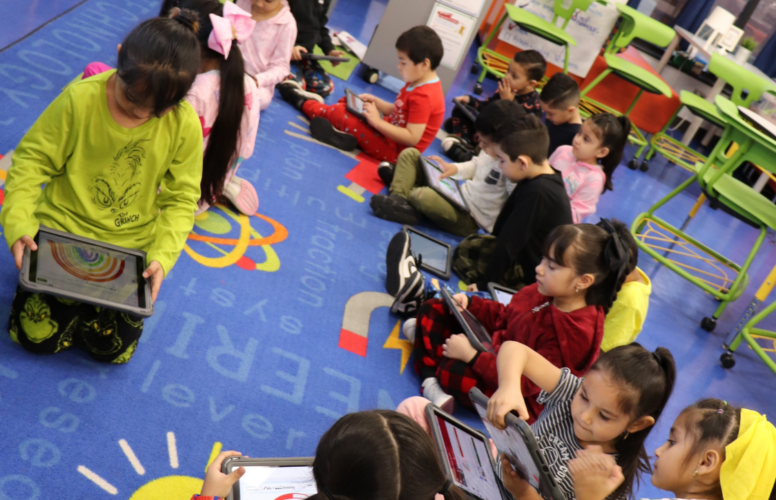
Our kindergarten scientists stepped into the STEAM Lab to explore an exciting question: How Do You Warm Up a Frozen Playground? The lesson began with students sharing their own experiences with hot and cold weather and how sunlight helps keep us warm. From there, they traveled (through imagination and learning!) to a real place—Rjukan, Norway, a town where the sun does not shine during the winter months because it is surrounded by tall mountains.
Using our Mystery Science curriculum, students learned how Rjukan solved this real-life problem in an incredible way. In 2013, the town installed three large heliostat mirrors that redirect sunlight down into the town center. This modern solution, led by local artist Martin Andersen, brought light and warmth back to the community and cost approximately $825,000.
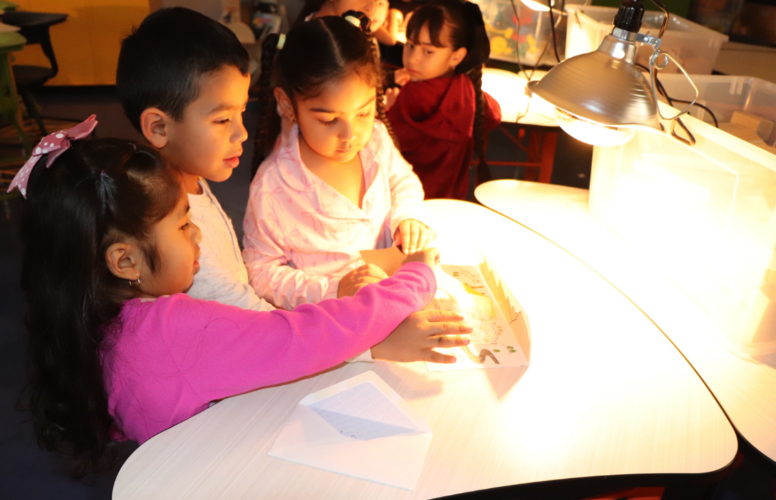
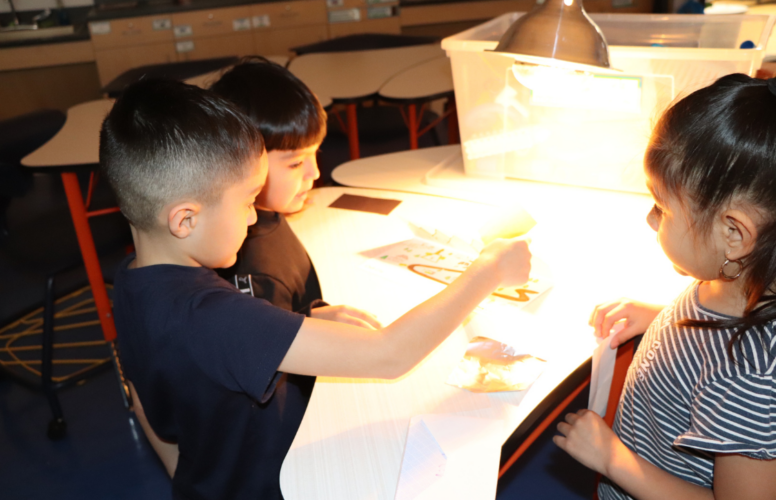
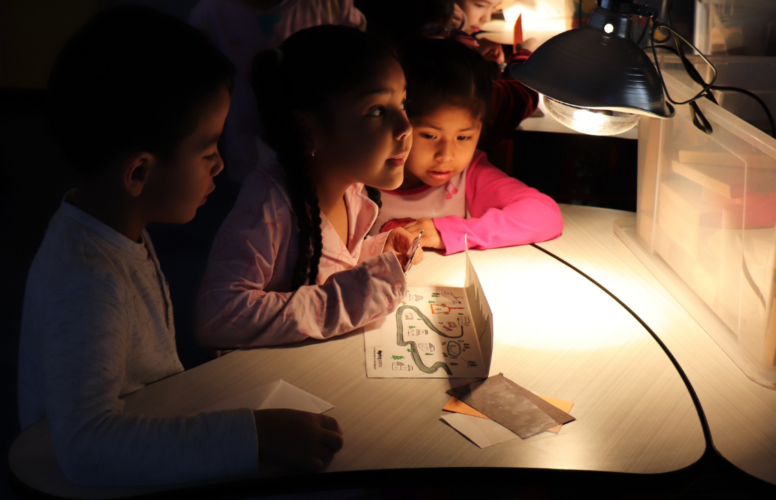
Inspired by Rjukan’s story, our kindergarteners took on an engineering challenge of their own. They were asked to help an imaginary frozen town called “Chill City.” Students experimented with different materials—opaque, transparent, and reflective—to see which ones could best reflect light. Through hands-on exploration and teamwork, they quickly discovered that foil was the most effective material.
With their foil “mirrors” in place, students successfully reflected light onto Chill City’s frozen playground. The result? The ice began to “melt,” and the playground was saved! Thanks to their problem-solving skills, the students of Chill City—and Rjukan—could finally enjoy recess outdoors again.
This engaging STEAM lesson connected science, engineering, and real-world problem solving in a meaningful way. Our kindergarten students showed curiosity, creativity, and critical thinking as they learned how innovative ideas can bring light—even to the coldest places.